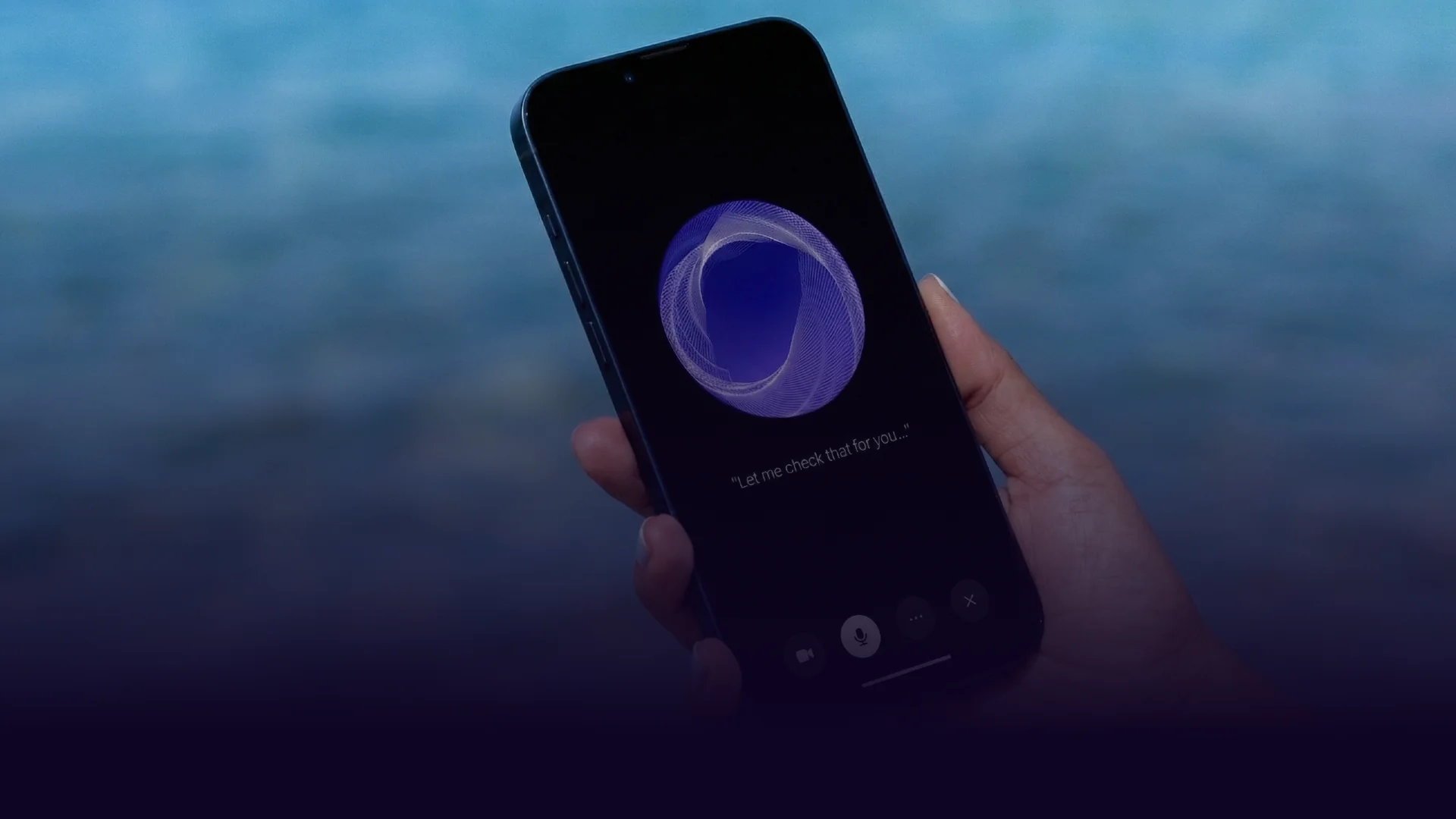

Telcos are at a unique, albeit challenging, juncture. Connectivity (voice, text, data) is becoming a commodity, and “great coverage” alone rarely wins loyalty anymore. Meanwhile, the most important customer relationship—the one that lives on the device in someone’s hand—has been steadily captured by others. The good news? The next major interface shift is underway, and it creates a very real opening for carriers to re-earn loyalty by owning the experience, not just the pipe.
The TechCo, OEM, MVNO competition
Telcos are staring down three forces in the loyalty battle.
First: TechCos. Amazon, Google, Microsoft and others have trained consumers to expect instant, personalized, “Netflix-level” experiences, which by extension are always-on, always-relevant and frictionless. They also grabbed the digital relationship layer early by providing value on their digital platforms. They also overtook the messaging and voice revenue from telcos in many markets with OTT apps like WhatsApp and Messenger.
Second: OEMs. For most consumers, the emotional relationship is with the phone brand and OS ecosystem – Apple or Android. It’s rare to find a person who might say “I’m a [insert telco brand] guy.” But you’d certainly find people calling themselves Apple” or Android loyalists.
The device is where consumers’ photos, payments, apps, settings and daily habits live. The device became the primary touchpoint for experience, and OEMs became the default “owner” of that touchpoint.
Third: MVNOs. MVNOs have stripped out the spectrum burden and doubled down on price, brand and customer experience. And consumers are signaling they’re open to switching: one recent U.S. consumer survey found 90 percent would consider switching to an MVNO or retailer, and 75 percent were open to switching for a more tailored experience.
So even though the device is the focal point of the customer relationship for telcos, they too often get pushed into the background – especially in BYOD-heavy markets, where the carrier’s role can feel interchangeable.
But consumer expectations are changing. And the device itself is transforming in a way that gives carriers a new path back into the relationship, if they move early.
The radical service transformation
Consumers don’t just like personalization anymore, they expect it. Nearly three quarters of telco customers told Accenture they see the absence of personalized assistance as frustrating. Telco service is still too often one-size-fits-all and reactive. That gap becomes painfully visible in “moments of truth” when customers experience technical or account issues or are approached with product pushes.
However, the device experience is about to shift again, dramatically, where telcos can shift how they serve customers.
As AI starts to shape the mobile device interface, the onus moves away from the customer to search, decide and problem-solve alone. The new expectation will be to understand the customer, predict and act. “I noticed you’re running out of storage; want me to clear space safely or would you like to consider a trade-in? Your device appears to be worth $x” and less “go find the right settings page” or “we’re offering trade-ins this holiday season.”
This is the pivot: less emphasis on offering the entire buffet of services and more on offering the right set of services at the right time to the customer.
The brand that powers or at least influences that interface and pivot earns the piece of loyalty pie.
The AI opportunity and the key to unlocking brand loyalty for the long haul
In the AI era, telcos have a strategic fork in the road:
- Become an AI infrastructure player (an “AICo”) in intelligence pipelines and platforms; Or…
- Own the customer experience layer by embedding intelligence directly into the customer’s device experience, where service actually happens.
If the goal is loyalty, churn protection and customer lifetime value, the second path is the sharper one, because the device is where the customer lives – intent is expressed, frustration is felt and loyalty is truly captured.
But there’s a hard truth here: an LLM alone isn’t enough. LLMs can pass a “Turing test,” but not the ROI test without real context. The differentiator is device intelligence: live and historical signals that let you predict needs across device, network and service journeys. This allows AI embedded in the device to know the customer, personalize, be predictive and then be proactive.
When customers get smart, proactive alternatives when faced with a looming or existing issue, NPS goes up six points.
In other words: the future is AI, but the winning AI lies in real customer context, right on the device.
The pathway to 2030: MCE
To be ready for 2030 (and frankly, the next 24 months), telcos should already start embedding data capture and orchestration into the on-device service interface now. This allows AI to access the intelligence required to personalize.
That’s exactly where MCE comes in: capturing live mobile device data and intelligence and applying agentic AI to resolve issues autonomously, reduce escalations and turn device care moments into business-beneficial commercial outcomes (repairs, insurance, upgrades, trade-in)
With deployments already piloted in a large Canadian telco, MCE is helping lay the groundwork for the future of the customer experience on the mobile device.